

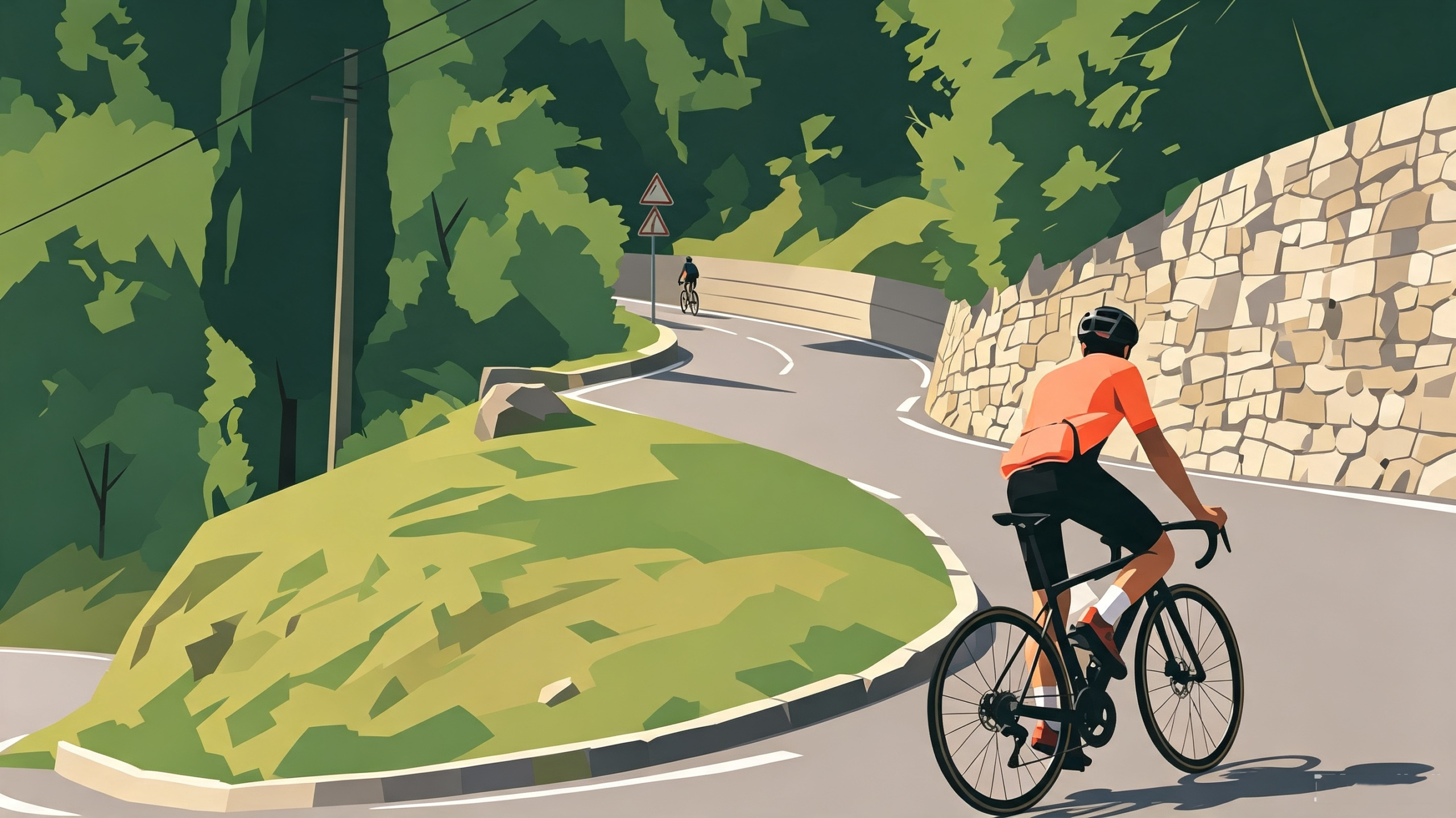
Master your MTB drivetrain and ride more efficiently on any trail with these proven shifting techniques.
Learning how to use your mountain bike gears correctly can completely transform your riding experience. Many beginners assume that faster riding means pedaling harder and pushing bigger muscles, but seasoned riders know that true efficiency comes from selecting the right gear at the exact right moment. Think of your gears not as a speed selector, but as a power and cadence adjuster—they help you match your leg output to the terrain’s demands.
Whether you’re grinding up a steep, dusty climb, navigating rocky technical sections, or flying down a fast, bermed descent, proper gear shifting helps you maintain control, conserve precious energy, and enjoy a smoother, more predictable ride.
In this comprehensive guide, we’ll break down exactly how mountain bike gears work, when to shift, and the advanced techniques that experienced riders use to adapt to changing trail conditions.
Why Proper Gear Shifting Matters on a Mountain Bike
Mountain biking is anything but predictable. A single trail can throw at you:
- Steep, lung-busting climbs
- Flowing flat sections
- Loose gravel and sand traps
- Rocky, root-filled technical zones
- High-speed descents with sudden drops
Your legs simply cannot apply the same effort everywhere—that’s why your drivetrain offers a range of gear ratios. Using the correct gear helps you:
- Climb hills with significantly less muscle fatigue
- Maintain a consistent, efficient pedaling cadence (your RPM)
- Improve rear-wheel traction on slippery or uneven climbs
- Accelerate faster out of corners and over obstacles
- Reduce unnecessary wear and stress on your chain, cassette, and derailleur
A common beginner mistake is staying in a gear that’s too hard. When pedals become extremely heavy, many riders lose all momentum before they think to shift. Experienced cyclists shift early—often a full 5 to 10 meters before the terrain even turns challenging.
Understanding Mountain Bike Gears – Key Components
Modern mountain bike drivetrains (especially 1x systems) are simpler than ever, but understanding the basics still pays off.
Front Chainring (or Crankset)
- Located near the pedals.
- Larger chainrings = harder gears for higher speeds on flats or descents.
- Smaller chainrings = easier gears for climbing steep hills.
- Most new mountain bikes use a single front chainring (1x drivetrain). This eliminates the front derailleur, reduces chain drops, and simplifies shifting—leaving you with just one shifter to manage.
Rear Cassette
- A cluster of multiple sprockets (cogs) on the rear wheel.
- Larger cogs = easier gears (great for spinning up steep climbs).
- Smaller cogs = harder gears (ideal for sprinting on flats and downhills).
Quick Tip: Think of it this way—when climbing, the chain moves toward the largest rear sprockets (like going up a stair-stepper). When speeding up on flat ground, it moves toward the smallest rear sprockets (like going into overdrive).
How to Shift Gears Correctly – The Golden Rules
1. Shift While Pedaling, But Ease Off the Pressure
Your bike needs the chain to be moving smoothly in order to change gears.
Do:
- Shift while applying light, steady pedal pressure.
- Reduce your pedaling force by about 50% for a split second during the shift—this takes the load off the drivetrain and makes the click instant and silent.
- Keep a smooth, circular pedal stroke.
Avoid:
- Stopping pedaling completely during a shift (the chain won’t move to the new cog).
- Mashing down hard on the pedals while shifting (this causes loud grinding and can damage the teeth).
- Changing multiple gears at once under heavy load (shift one or two cogs at a time on steep pitches).
When Should You Shift on a Mountain Bike? (Trail-Specific Advice)
Before a Climb (Shift Early!)
One of the biggest beginner errors is waiting until the hill gets brutally steep.
Instead:
- Look ahead and read the trail profile.
- Spot the upcoming climb well in advance.
- Shift into an easier gear before your speed drops too much.
This preserves your momentum and keeps your cadence smooth. A good climbing gear should let you pedal comfortably in a seated position without needing to stand up and rock the bike too early.
During Technical Climbs (Traction Over Speed)
On rocky, rooty, or loose climbs, grip is more important than outright speed. Choose a gear that allows:
- Controlled, even pedal pressure to avoid sudden torque spikes
- A steady, seated cadence (spinning is better than stomping)
- Smooth power delivery that prevents the rear wheel from breaking traction
Pro tip: If you feel the rear wheel spinning out or skipping, shift to one easier gear immediately. Spinning the tire wastes energy and loses climbing progress.
On Flat Trails (Stay Flexible)
Flatter terrain gives you more freedom. Use a medium-range gear that lets you:
- Maintain a good rolling speed without exhausting yourself
- React quickly to sudden obstacles (rocks, dips, sharp turns)
- Accelerate effortlessly when the trail opens up
Avoid camping in the hardest gear—it may feel “fast” for a moment, but it’ll leave you bogged down and struggling if the trail suddenly pitches upward.
During Descents (Prepare for What’s Next)
Many riders stop pedaling entirely on downhills and forget about their gears. But smart riders use the descent to set up the next section.
Before the drop:
- Shift into a middle-range gear that will work for the upcoming terrain (usually somewhere in the middle of the cassette).
- Keep your pedals level and ready for quick engagement.
- Control your speed with brakes, but stay in a gear that lets you re-accelerate immediately after the descent ends.
Bonus Tip for Corners: Try to complete your shifting before you enter a tight corner. Shifting while leaned over can destabilize your bike and cause a missed shift. Shift just before the turn, then power smoothly out of it.
Avoid Extreme Gear Combinations (Cross-Chaining Awareness)
Even with modern 1x drivetrains, extreme angles at the highest and lowest ends of the cassette create unnecessary chain friction and lateral stress. This can increase:
- Chain and cassette wear over time
- Drivetrain noise and rough pedaling feel
- Mechanical stress on the derailleur pulley wheels
While 1x systems are designed to handle more angle than older 2x/3x setups, try to avoid lingering in the very hardest (smallest cog) or very easiest (largest cog) gears for extended periods. If you’re constantly in the easiest gear, it might be time to consider a smaller front chainring for your typical trails.
Maintaining the Right Cadence – Find Your Rhythm
Cadence = how many times your pedals rotate per minute (RPM).
There’s no single “perfect” cadence for mountain biking because terrain changes constantly. However, most riders aim for a smooth, steady rhythm—typically between 70 and 90 RPM on flat sections, and slightly lower but consistent on climbs—rather than slow, grinding pedal strokes that exhaust your quads.
A good gear feels like:
✅ You can keep pedaling comfortably without your breathing spiking too fast
✅ Your legs aren’t overloaded or burning within the first minute of a climb
✅ You can quickly adjust your stroke to absorb bumps or rocks
- If your legs are spinning too easily (like you’re in “soup”) → shift to a harder gear.
- If your legs are struggling or slowing down dramatically → shift to an easier gear immediately.
Advanced MTB Shifting Tips from Experienced Riders
Look Ahead and Shift Proactively
The best mountain bikers are constantly reading the trail 20–30 feet ahead. Before reaching:
- A steep pitch or wall
- A sharp, tight switchback
- A technical rock garden with sudden drops
…they pre‑shift into the optimal gear. Great shifting isn’t just about reaction—it’s about prediction and preparation.
Shift Before You Stand Up
Standing while climbing generates more raw power but also burns significantly more energy. Before you stand:
- Select your easier gear first.
- Build a little momentum in the saddle.
- Apply power smoothly as you rise out of the saddle.
This reduces sudden jolts to the drivetrain and prevents your chain from skipping under heavy force.
Don’t Forget Drivetrain Maintenance – It Affects Your Shifting
Even the best shifting technique falls flat with a dirty, dry, or stretched drivetrain. To keep your shifts crisp and reliable:
- Clean your chain regularly with a degreaser and a brush (especially after muddy rides).
- Lubricate your chain with a quality wet or dry lube, depending on the conditions.
- Check your cable tension and derailleur alignment every few months—cables stretch over time, which delays shift response.
- Replace your chain before it stretches beyond 0.5% wear—this saves your cassette and chainring from premature wear.
A clean, well-maintained drivetrain can improve shift speed by up to 80% and significantly reduce the force needed to change gears.
Practice Makes Perfect – Make Shifting Second Nature
Gear shifting becomes instinctive with experience—not through talent, but through deliberate repetition. On every ride, pay attention to:
- How your legs feel in each gear on different gradients
- How quickly the bike accelerates after a shift
- How the trail profile changes (up, down, flat, loose, hardpack)
After enough practice, choosing the right gear will feel automatic—your hands will shift without you even thinking about it. That’s when you’ll truly start to “flow” on the trail, connecting every section seamlessly.
Final Thoughts – Ride Smarter, Not Harder
Great mountain biking isn’t about grinding the hardest gear to impress others or muscling through every section with brute force. It’s about efficiency, rhythm, and control.
A rider who masters shifting can:
- Climb faster with less exhaustion and more traction
- Ride longer without cramping or burning out
- Maintain superior control on unpredictable, technical trails
- Extend the lifespan of their drivetrain components
The right gear at the right moment turns a grueling, leg-burning trail into a smooth, enjoyable adventure. So next time you hit the dirt, shift early, shift often, and let your drivetrain do the heavy lifting—so you can focus on the thrill of the ride and the beauty of the trail ahead.