

Most kids bikes are bought one size too big and several kilos too heavy. Those two mistakes cause most of the misery: a child who cannot put a foot down, or cannot lift the bike, learns that cycling is hard work — and stops.
This guide covers the four things that actually decide whether a child can ride well: weight, wheel size, brake reach and gearing. Meihanda has manufactured bicycles at our own factory in Foshan, China since 2000; frames sampled from each production order are ISO 4210 structural and fatigue tested, so the numbers below come off a production line rather than a showroom floor.
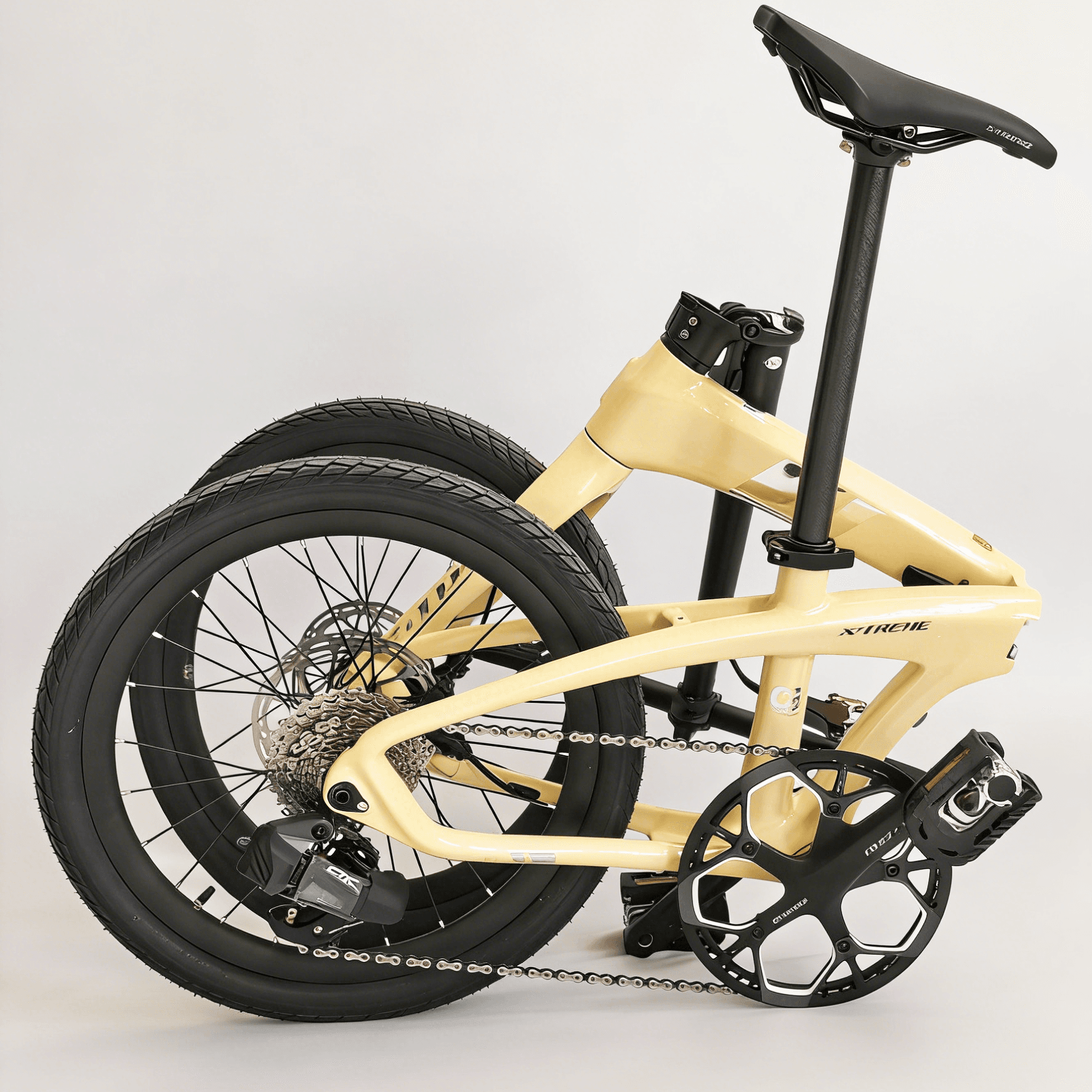
Straight from the factory: the hardest part of a small-wheel frame is the rear triangle. A 20-inch wheel leaves very little room for chainstay shaping, so the joints — not the frame material — decide how the back of the bike behaves. A good kids bike is designed around its wheel, never scaled down from an adult frame.
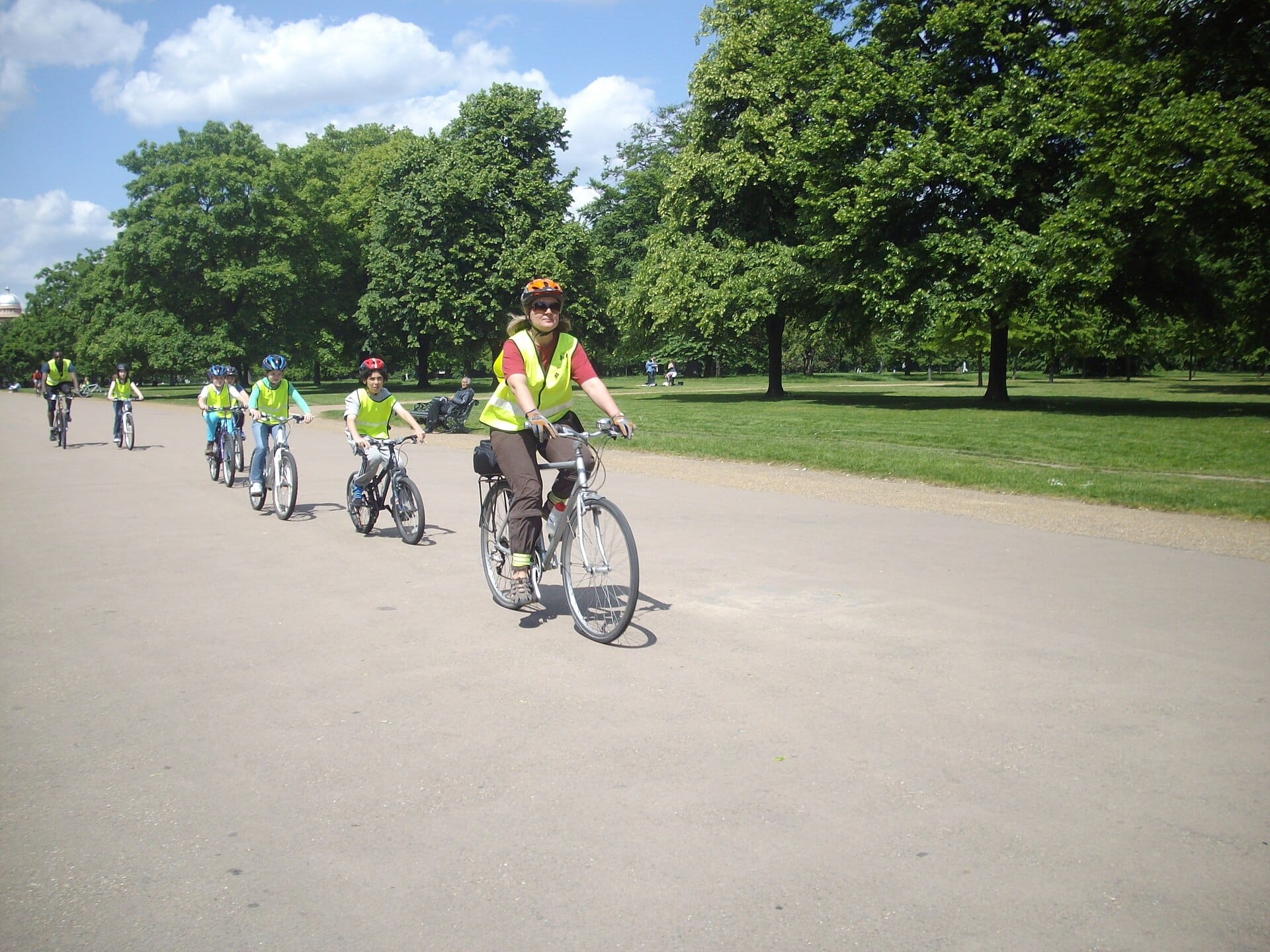
The short answer
Buy by inside leg and wheel size, not by the age printed on the box. With the saddle at its lowest, your child should be able to put both feet flat on the ground and pull the brake levers with the first joint of their fingers. Keep the complete bike under roughly a third of your child’s body weight. If you must choose between a bigger frame and a lighter one, choose lighter — a heavy bike is the single most common reason children give up.
What this guide covers
- Why most kids bikes are heavier than they need to be
- Kids bike sizes by age, height and wheel size
- Wheel size versus frame size
- Brakes: what actually stops a child
- Gears, cranks and small hands
- What to check before you buy
- What kids bikes cost
- Where Meihanda fits into the kids bikes market
1. Why most kids bikes are heavier than they need to be
A child weighs a fraction of an adult, so every kilo on the bike is worth far more. A 45 lb six-year-old pushing a 26 lb bike is moving more than half their own body weight before they pedal. An adult on a 26 lb bike is moving about a sixth of theirs. That is why a bike that feels light in the shop can be unrideable on a slope.
Three things add weight that children cannot use. Steel frames and steel wheels, which are cheap and durable but heavy. Coil suspension forks on a 16-inch or 20-inch bike, which a small rider can barely compress and which add around 1.5 kg. And over-built components sized for adults, from handlebars to seatposts.
Our own 20-inch platform uses a T700/T800 carbon fibre frame with a T800 carbon fork, which brings a complete bike in at 8.6 kg. Compared with a comparable aluminium folding bike, that is roughly 3–4 kg lighter. It is not a coincidence that the lightest part of the market is also the part that gets ridden most.
The one-third rule is a good target rather than a promise. At 20 inches, most bikes on sale miss it. Being 3–4 kg lighter is how a bike gets close.
2. Kids bike sizes by age, height and wheel size
Wheel size is the useful number, not the age band. Age bands overlap so heavily that a tall five-year-old and a small seven-year-old belong on the same bike. Measure your child’s inside leg and their standing height, then match the row below.
| Wheel size | Typical age | Typical height | Inside leg |
|---|---|---|---|
| 12 inch (balance bike) | 18 months – 3 years | 30–38 in / 76–97 cm | 12–15 in / 30–38 cm |
| 14 inch | 3–4 years | 37–42 in / 94–107 cm | 15–17 in / 38–43 cm |
| 16 inch | 4–6 years | 40–46 in / 102–117 cm | 17–20 in / 43–51 cm |
| 20 inch | 6–9 years | 45–52 in / 114–132 cm | 20–24 in / 51–61 cm |
| 24 inch | 8–12 years | 50–57 in / 127–145 cm | 24–28 in / 61–71 cm |
| 26 inch and up | 11 years + | 55 in + / 140 cm + | 28 in + / 71 cm + |
Those ranges are industry-typical, not a rule — the reach to the handlebars and the standover height matter just as much. A child should be able to stand flat-footed over the frame with the bike between their legs.
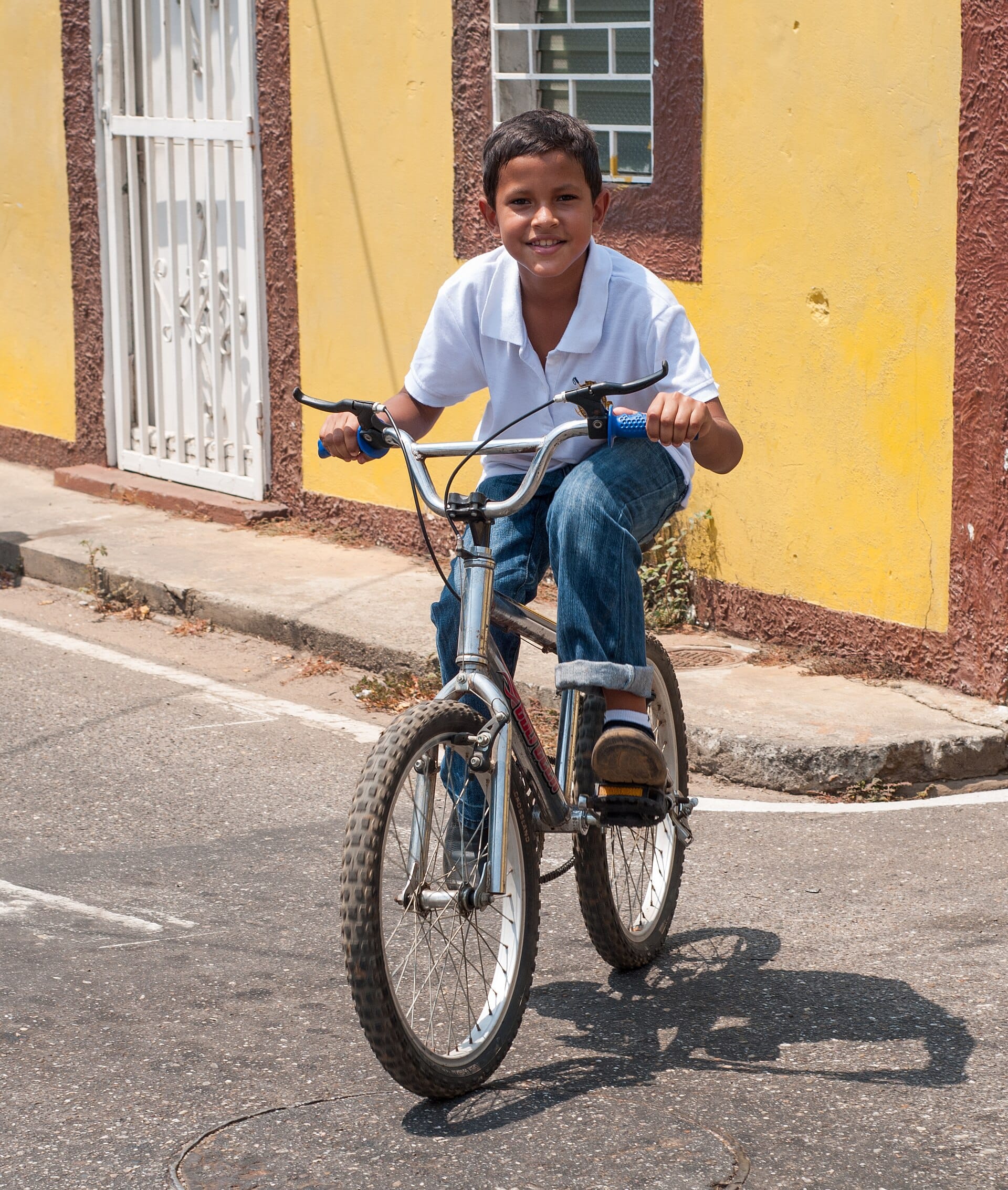
If you are unsure between two sizes, take the smaller one. It is far easier to raise a saddle and lengthen a stem than it is to shorten a frame. For the same reason, an oversized bike bought “to grow into” is the most common expensive mistake in this category. Our fuller walkthrough is in what size bike do I need, and there is a dedicated mountain bike frame size guide if you are buying off-road.
3. Wheel size versus frame size
These are two different measurements, and shops often quote only one. Wheel size sets how the bike rolls over obstacles and how stable it feels. Frame size sets how the rider fits. A 20-inch-wheel bike can come with a frame that suits a five-year-old or one that suits a ten-year-old.
Wheel diameter is standardised — the bead-seat diameter of a tyre and rim is governed by the ETRTO standards — so a 20-inch tyre from one brand fits a 20-inch rim from another. Frame size is not standardised at all. Two “20-inch kids bikes” can differ by 60 mm of reach at the bars.
That is why you must sit a child on the actual bike. The wheel number tells you the size class. The frame tells you whether it fits.
4. Brakes: what actually stops a child
Three brake systems appear on kids bikes, and only one is a good default.
| System | How it works | Verdict |
|---|---|---|
| Coaster (back-pedal) brake | Pedalling backwards locks the rear wheel | Fine on 12–14 inch bikes, and for children who cannot yet grip a lever |
| V-brake / caliper rim brake | Rubber pads squeeze the rim | Cheap and light, but loses power in the wet and wears the rim |
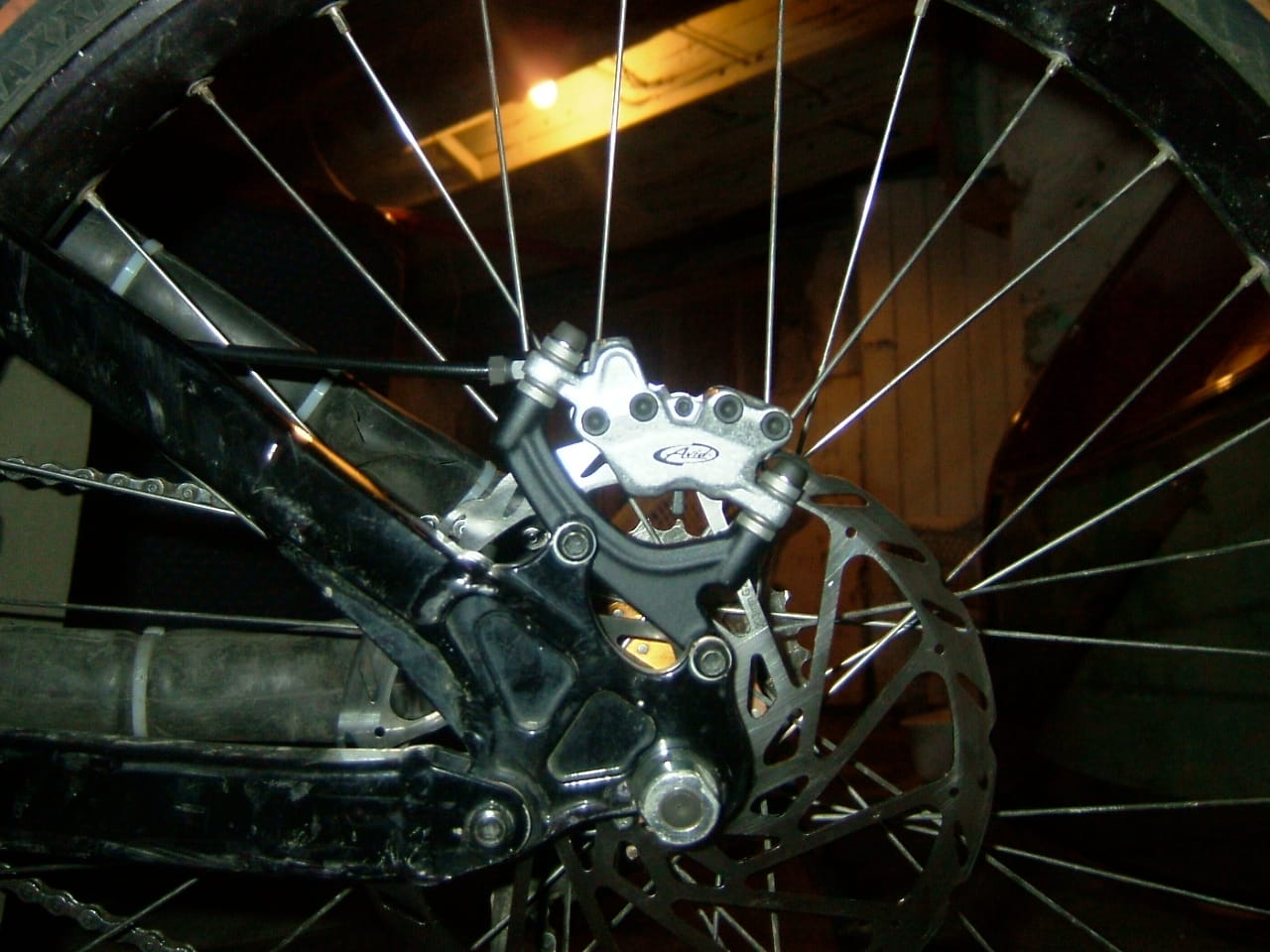
| Hydraulic disc brake | Fluid pressure drives a caliper disc | Best stopping power and lever feel; the correct choice from 20 inch upward |
Lever reach matters more than brake type when a child is small. A lever set for an adult hand sits too far from the bar, and a child ends up braking with the tips of their fingers, where they have almost no strength. Any brake worth fitting on a kids bike should have reach adjustment, and you should set it before the first ride.
Our 20-inch platform ships with Shimano MT200 hydraulic disc brakes as standard. That is not a marketing line — hydraulic discs are the one component where a child gets the same control as an adult, because the force multiplier does the work their hands cannot.
Buyer’s note: if a bike has a front hand brake and a rear coaster brake, check that your child can actually operate both. Mixed braking confuses young riders and is a common cause of front-wheel washouts.
5. Gears, cranks and small hands
Gearing on a kids bike should let a child climb the hill they actually face, not win a sprint. Two numbers do the work: the smallest cog on the cassette, and the size of the chainring. A bike with a very large chainring and a narrow cassette is geared for an adult on the flat.
Crank length is the other number most buyers never see. Adults ride 170 mm cranks. Kids bikes typically use 127–152 mm, so a child’s knees are not driven up towards their chest on every stroke. Cranks that are too long are a common reason a bike feels “too big” even when the frame fits.
Then there is reach to the controls. Small hands also mean short fingers, and a child’s grip strength is a fraction of an adult’s. A narrow handlebar, a short stem and a narrow Q-factor — the distance between the pedals — all reduce the effort needed to steer. Our 20-inch platform uses a 53T hollow alloy crankset with an 11-32T cassette, which is a wide enough spread to stay useful on real streets rather than only in a flat car park.
6. What to check before you buy
Take five minutes with the bike before you pay. These checks catch almost everything that goes wrong in the first month.
- Lift the bike by the saddle with one hand. If you cannot hold it out at arm’s length, your child will struggle with it too.
- Put the bike on the ground and rock it side to side, holding the bars and front wheel. Any knocking from the headset means the bike needs adjustment before it is ridden.
- Spin both wheels. A wheel that wobbles or rubs has loose cones or a buckled rim.
- Squeeze both brake levers. They should be firm well before they touch the bar, and both should return freely.
- Check the tyres are inflated to the pressure printed on the sidewall, and that the valve does not let air out when you push it sideways.
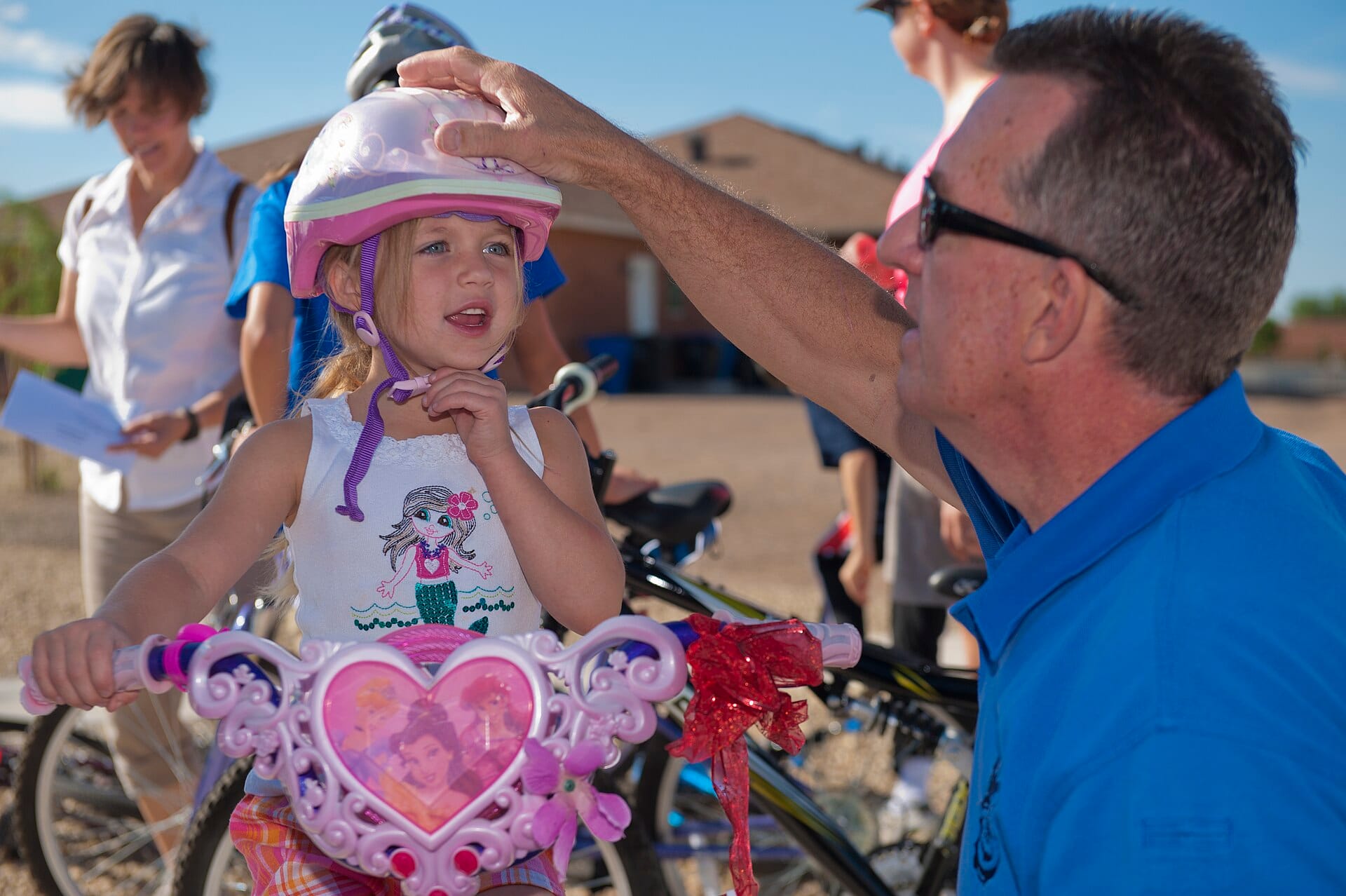
- Sit your child on it, in shoes. Both feet flat on the ground, first-finger contact on the levers, and a slight bend at the knee at the bottom of the pedal stroke.
7. What kids bikes cost
Price tracks three things: how light the bike is, how well it stops, and how long it lasts. Here is what each band buys you.
| Price band | What you actually get |
|---|---|
| Under $200 | Steel frame, steel wheels, rim or coaster brakes, 9–12 kg. Works, but heavy enough that it limits where a child can ride. |
| $200–450 | Aluminium frame, alloy wheels, rim brakes or entry cable discs, 8–10 kg. The sensible starting point for a first pedal bike. |
| $450–900 | Aluminium frame and fork, hydraulic disc brakes, wider gearing, 7–9 kg. The band where a bike stops fighting the rider. |
| $900 and up | Carbon fibre frame and components, hydraulic discs, 6–9 kg, and often a folding or compact design. |
The jump that matters is between $450 and $900. That is where hydraulic disc brakes, a lighter frameset and real gearing appear together. Below that band you are buying a bike that works; above it you are buying a bike a child can ride for hours.
8. Where Meihanda fits into the kids bikes market
We are a manufacturer, not a reseller, and we make one model in this size class: a 20-inch carbon fibre folding bicycle with a T700/T800 carbon frame, a T800 carbon fork and a complete weight of 8.6 kg. It folds for storage and transport, which makes it unusually practical for families with limited space.
We want to be straight about what it is. At from $1,429 it is a premium bike, not a first bike for a five-year-old. Its natural riders are older children and teenagers who have outgrown a 24-inch bike, smaller adults, and families who need one compact bike that several people can share.
| Version | Drivetrain | Brakes | Weight |
|---|---|---|---|
| Shimano 9-speed | Shimano M2000 | Shimano MT200 hydraulic disc | 8.6 kg |
| Shimano 11-speed | Shimano RS700 | Shimano MT200 hydraulic disc | 8.6 kg |
| Electronic 12-speed | Lunfeng electronic shifting | Hydraulic disc | 8.8 kg |
If your child is younger or smaller, the honest advice is to buy a correctly sized aluminium kids bike first, and come to us when they have grown into a 20-inch or 24-inch machine.
See the Meihanda kids bikes range →
Why buy direct from Meihanda
- Factory-direct pricing — you buy from the manufacturer, not a middleman
- Pre- and post-purchase support from the team that builds the bike
Meihanda has manufactured bicycles at our own factory in Foshan, China since 2000. Frames sampled from each production order are ISO 4210 structural and fatigue tested, and the facility is BSCI social-compliance audited.
Kids bike buyer’s checklist
- ☑ Wheel size chosen from inside leg and height, not from the age on the box
- ☑ Both feet flat on the ground with the saddle at its lowest
- ☑ Complete bike under about a third of your child’s body weight
- ☑ Brake levers reachable with the first joint of the fingers, and reach adjusted
- ☑ Hydraulic disc brakes from 20 inch upward
- ☑ No coil suspension fork on a 16-inch or 20-inch bike
- ☑ Wheels spin true and both brakes return freely
- ☑ Price band matches how often and how far the bike will really be ridden
Frequently asked questions
What size bike does my child need?
Match wheel size to inside leg and height, not to age. A 16-inch bike suits most four-to-six-year-olds, a 20-inch bike suits most six-to-nine-year-olds, and a 24-inch bike suits most eight-to-twelve-year-olds. Sit your child on the bike before buying: both feet should reach the ground with the saddle at its lowest, and the brake levers should be within easy reach of the first joint of the fingers.
Should I buy a bike for my child to grow into?
No. An oversized bike is heavy, hard to steer and frightening to stop, and it is the most common reason children lose interest in cycling. Buy the size that fits today, then raise the saddle and swap the stem as your child grows. Frames have very little adjustment range; the saddle and bars have a lot.
Are balance bikes better than pedal bikes with training wheels?
For most children, yes. A balance bike teaches the two skills that matter — steering and balancing — and children who start on one usually move to a pedal bike without training wheels at all. Training wheels delay balance because they remove the need to learn it. Start on a balance bike at around 18 months and expect a pedal bike by four or five.
How much should a kids bike weigh?
Aim for under roughly a third of your child’s body weight. For a 45 lb six-year-old that means a bike under about 15 lb, or 7 kg. Most 16-inch and 20-inch bikes on the market weigh 9–12 kg, so this is a target rather than a given. Lighter bikes get ridden more, and the frame material is the biggest single lever you have.
Do kids bikes need hydraulic disc brakes?
From 20 inch upward, yes, if the budget allows. A child’s grip strength is a fraction of an adult’s, and hydraulic disc brakes multiply that force so a small hand can still stop the bike quickly in the wet. On 12-inch and 14-inch bikes a rear coaster brake is fine, because those children are still learning to brake at all.
Can a 20-inch bike be used by an adult?
Sometimes. A 20-inch bike with a longer frame and a raised saddle — including compact and folding designs — can suit smaller adults and teenagers. Check the saddle height range and the reach to the bars against the rider’s measurements. A folding 20-inch bike is often the only way to keep a usable bike in a small flat or a car boot.
Ready to find the right size? Tell us your child’s height and inside leg, and we will point you to the right wheel size and model: talk to our team → or see the kids bikes range.
Image credits. Photographs in this article are used under public-domain or CC0 terms via Wikimedia Commons: children cycling in Hyde Park by Rudolph A. Furtado (public domain); boy on a kids bike by Wilfredor (CC0); hydraulic disc brake by Porkercon (public domain); helmet fitting by U.S. Air Force, Airman 1st Class Aaron Montoya (public domain).
How this guide was written. This guide reflects Meihanda’s in-house frame design and assembly at our own factory, where we have manufactured bicycles since 2000; frames sampled from each production order are ISO 4210 structural and fatigue tested, and the facility is BSCI social-compliance audited. The weight, drivetrain and brake specifications quoted for the 20-inch carbon folding bicycle are taken from our production specifications; prices are current in USD, may vary by configuration and destination, and are correct as of 17 September 2026. Wheel-size, age, height and body-weight ratios are industry-typical ranges, not guarantees, and vary with the individual rider, terrain and setup. Last reviewed 17 September 2026.


